
With the final days away, the 2026 tournament is on track to be the most heavily wagered event in history, and in Canada, where a home World Cup met a maturing legal market, the numbers jumped further still, even as the ads and the harm that came with them drew a political backlash.
- The 2026 World Cup is projected to draw more than US$50 billion in bets worldwide, a record, and roughly 43 percent more than the 2022 tournament in Qatar.
- In Canada, BetMGM reported bets per match up 71 percent and total money wagered up 73 percent versus 2022, a jump it credits to easier legal access and a home tournament.
- A 48-team field, fan-friendly North American kickoff times and an explosion of prop bets gave people far more to wager on, and all three host nations reaching the knockout rounds only added fuel.
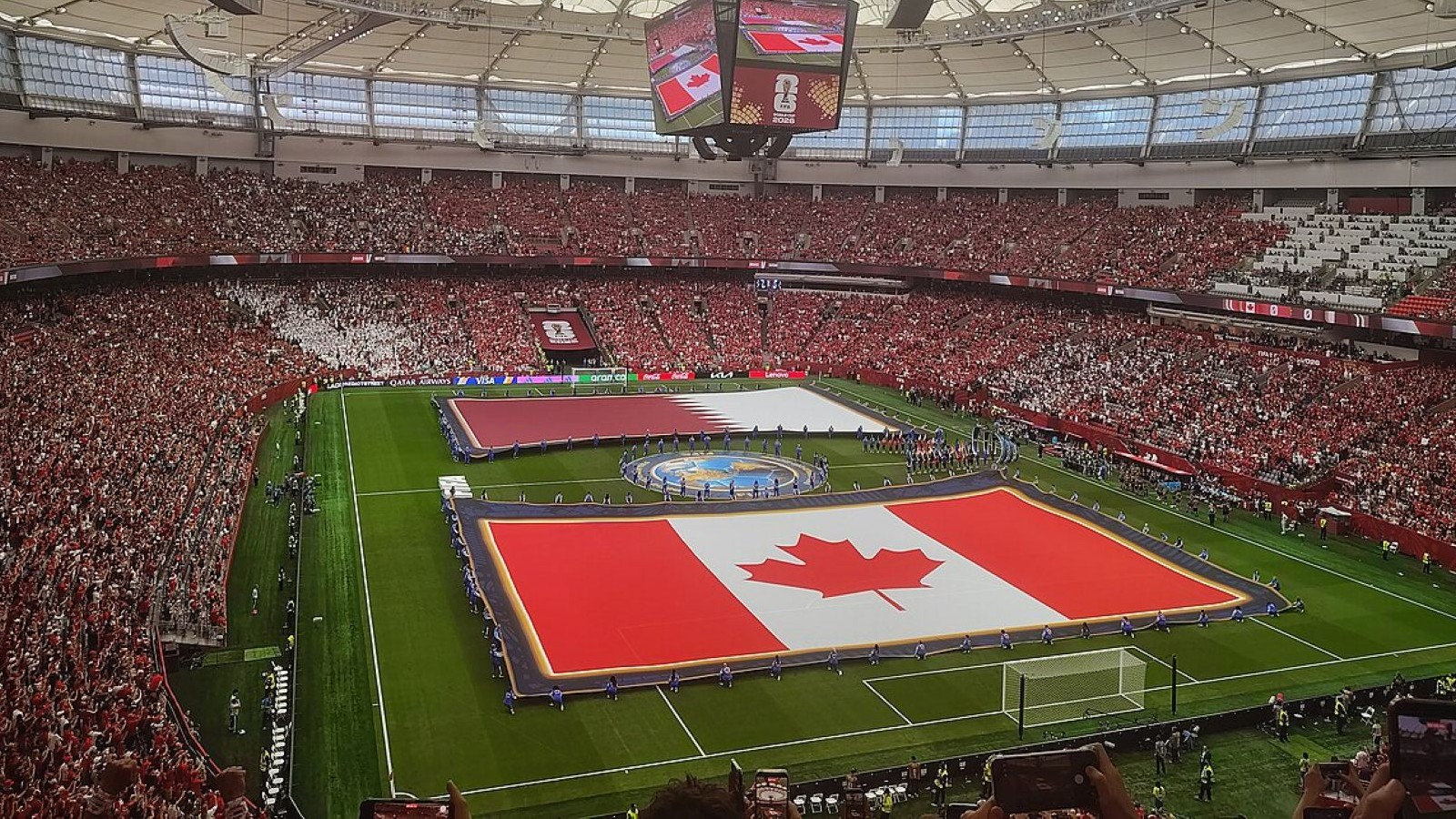
- Canada’s historic run, its deepest men’s World Cup ever, ended with a 3-0 loss to Morocco on July 4, but the betting it drove will outlast the team.
- The boom landed just as Ottawa and Ontario move to rein in gambling ads, with lawmakers calling the surge a public health problem.
TORONTO – The team that captured the country is out, but the tournament it turbocharged is still climbing toward a record. As the 2026 World Cup heads into its final week, with the championship set for July 19 near New York, the event is on pace to become the most heavily bet spectacle in history, and nowhere did the appetite grow faster than in the co-host country that just watched its team bow out.
By the industry’s own count, the numbers are staggering. Worldwide wagering on the tournament is projected to top US$50 billion, according to a Macquarie estimate, about 43 percent more than the 2022 edition in Qatar, and the research firm H2 Gambling Capital pegs global regulated betting even higher, near US$60 billion. In the United States alone, analysts at Eilers and Krejcik forecast licensed sportsbooks could take in as much as US$4.3 billion, close to nine times the roughly US$400 million bet legally there four years ago.
A Record Written in Canadian Dollars
The Canadian slice of that boom is its own story. BetMGM told CBC that bets placed per match in Canada rose 71 percent and handle, the total amount wagered, climbed 73 percent compared with Qatar, a leap the operator attributes to expanded legal access and the pull of a home tournament. The scale of the machinery behind those bets is easy to miss: Flutter Entertainment, the parent of FanDuel, has said it expected around 10 million customers worldwide across its platforms and the capacity to handle up to 100,000 bets a minute at peak. For anyone weighing the growth of Canada sportsbooks, this World Cup is the clearest evidence yet of how far the market has come since single-event betting was legalized in 2021.
Why This One Was Different
Several things converged to make 2026 the tipping point. The field grew from 32 teams to 48, stretching the tournament to 104 matches and five weeks of near-daily action. The games kicked off at hours convenient for North American viewers rather than in the middle of the night. And the menu of bets exploded, with books offering wagers on which player scores first, how many corners a match yields and dozens of other in-game props that keep money moving long after kickoff. Legal access has widened dramatically too, with an estimated 65 percent of Americans now able to bet legally, up from 40 percent in 2022, and this being only the second World Cup since online gambling in Ontario opened to private operators. It did not hurt that Canada, the United States and Mexico all reached the knockout rounds, giving casual fans in each country a reason to keep a stake in the outcome. Soccer has historically returned books a thin margin of 5 to 7 percent per dollar, but H2 Gambling Capital expects a far richer 12.5 percent hold this time, driven by bettors piling into parlays and props.
The Prediction-Market Sideshow
The sportsbooks were not the only venues cashing in. Prediction markets, the exchange-style platforms that let people trade contracts on outcomes rather than place traditional bets, had a breakout tournament, with Kalshi reporting more than US$30 billion in trading volume in June and rival Polymarket posting a record month. The markets are not always rational: ahead of the tournament, Polymarket’s winner market drew more than US$58 million on Uzbekistan despite odds of roughly one in 10,000, a quirk driven by the platform rewarding users who provide liquidity. For Canadian readers, the line between betting and trading is blurring fast, and regulators are still deciding where these products belong.
The Backlash Riding Shotgun
The flood of money has come with a flood of advertising, and a political reaction. Lawmakers at both levels of government are moving to tighten the rules, with a federal framework bill sent to committee in the spring and Ontario weighing changes of its own, and supporters of those measures increasingly describe the spread of betting promotion as a public health problem. Harm indicators have risen alongside the handle, and researchers note that while access has never been easier, the safeguards exist for those who use them, from self-exclusion tools like Ontario’s BetGuard to the deposit and time limits every regulated site offers. The advice they stress is simple: decide before you bet how much money and time you are willing to lose, and treat that as a hard ceiling.
What Comes Next
Canada’s part in the on-field story is over, ended by a 3-0 loss to Morocco on July 4 that made it the first co-host knocked out, but the record chase continues without it, and the final on July 19 will only push the totals higher. If there is a lesson in the 2026 numbers, it is that the ceiling keeps rising: each of these events now seems destined to eclipse the last. For a fuller view of how Canada’s betting market is growing and how it is policed, the Canada gambling sites hub tracks it year-round.
