
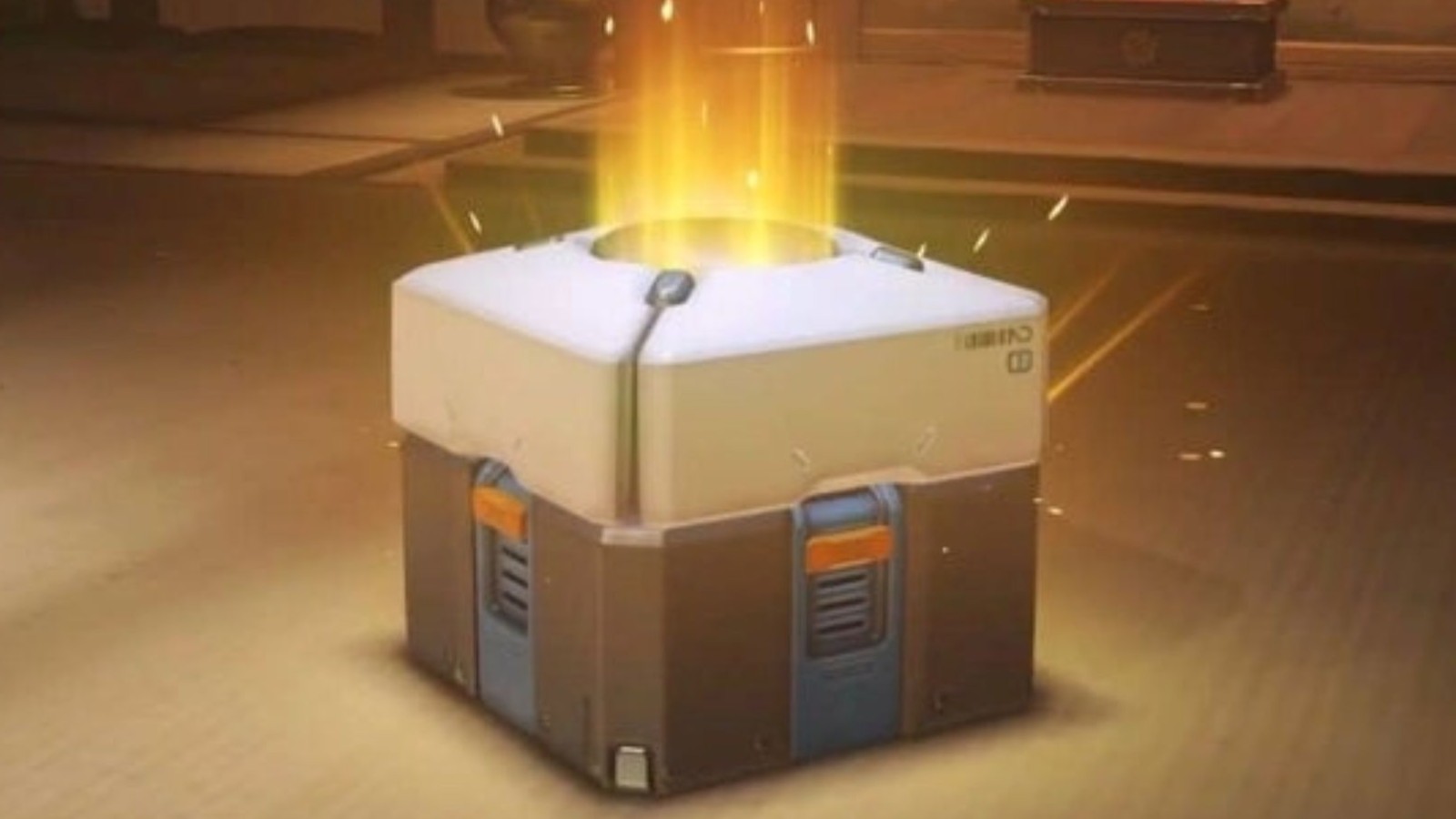
Loot boxes let players pay real money for a random reward, a mechanic researchers keep linking to problem gambling in young people. Much of the world is moving to rein them in. Canada, so far, is leaving it to the courts and to parents.
- Loot boxes, the randomized in-game packs in titles from EA Sports FC to Overwatch, now appear in a majority of top games, and a growing share of kids buy them.
- A consistent body of research ties loot box spending to problem gambling, with one study of teenagers finding the link even stronger than in adults.
- Belgium, Brazil, China and Australia have all moved to restrict or ban them, while the European Union weighs broader rules.
- Canada has no specific loot box law, because the Criminal Code treats gambling as needing a cash prize and loot box items usually cannot be cashed out.
- A class action in British Columbia is testing whether loot boxes are illegal gambling here, but for now the safeguards fall mostly to parents.
Open a pack in a game like EA Sports FC or Overwatch and the screen lights up, the items spin, and for a moment you do not know what you will get. Pay a few dollars, and you can do it again. To a growing number of researchers, regulators and parents, that loop looks a lot like a slot machine aimed at children.
The question of whether loot boxes are gambling, and whether they are priming a generation of kids to bet, has produced bans and restrictions across much of the world. In Canada, the answer is still mostly being left to the courts and to families.
What a Loot Box Actually Is
A loot box is a virtual container, bought with real or in-game money, that spits out a random assortment of items when opened, anything from cosmetic skins to player cards to gameplay advantages. They are everywhere. One University of York study found loot boxes in 71 percent of the top games on the PC platform Steam in 2019, up from about 4 percent a decade earlier. The best-known example is the Ultimate Team mode in EA’s soccer and football franchises, where players spend real money on packs hoping to pull a star. The mechanic became a lightning rod in 2017, when Star Wars Battlefront II locked key characters behind paid boxes and set off a global backlash. The industry’s defense is simple: unlike a casino bet, you always receive something, and the items cannot be turned into cash, so it is not gambling. Critics counter that paying for a chance at a random, unequal reward, complete with the flashing, celebratory reveal, is the psychology of gambling with the cash-out stripped off. In North America, the ratings board now stamps affected titles with an “In-Game Purchases (Includes Random Items)” label.
What the Research Shows
The studies are strikingly consistent. Across dozens of papers, the more people spend on loot boxes, the more likely they are to show signs of problem gambling. A survey of more than 1,100 British 16- to 18-year-olds found a moderate-to-large link between loot box spending and problem gambling, stronger than the association measured in adults, with teens who had bought a box in the past month scoring more than twice as high on a problem gambling scale. A separate British survey of nearly 3,550 people aged 16 to 24 found that those who bought loot boxes with their own money were far more likely to be problem gamblers, with the unadjusted odds more than 11 times higher. Studies of adolescents in Denmark and Australia reached the same conclusion. And exposure is rising: among American 13- and 14-year-olds, the share buying loot boxes climbed from about 25 percent in 2019 to nearly 32 percent in 2022, with the sharpest jump among girls.
What the research cannot yet settle is the direction of cause. Loot boxes may be nudging young people toward gambling, or gambling-prone kids may simply be drawn to loot boxes, letting game makers profit from an at-risk group. As the authors of one widely cited study put it, either way the case for regulation holds, because one scenario means the products cause harm and the other means they exploit it.
How the Rest of the World Is Responding
Other countries have not waited for that question to be resolved. Belgium and the Netherlands moved to treat paid loot boxes as illegal gambling, though enforcement has proven uneven and has been fought in court. China has required games to disclose the odds of each item since 2017. Brazil passed a law in 2025 banning the sale of loot boxes to anyone under 18, effective in March 2026. Australia, since late 2024, requires games with paid loot boxes to carry at least a Mature rating that warns against players under 15, and gives an adults-only rating to games that simulate gambling. The European Union is weighing a Digital Fairness Act that could restrict loot boxes in any game minors can access. Not everyone has acted: Britain reviewed the issue and chose industry self-regulation over a ban, and the United States has no federal law, leaning on ratings labels and the occasional regulator’s intervention while a string of state bills have stalled.
Where Canada Stands
Canada has done less than almost any comparable country, and the reason is a quirk of the law. The Criminal Code treats gambling as requiring a prize of real value, and because loot box items usually cannot be officially cashed out, they fall outside the definition. There is no federal or provincial loot box law. The gap is being tested in court: a proposed class action in British Columbia, Zajonc v. Electronic Arts, argues that loot boxes amount to unlicensed illegal gambling and a deceptive business practice, and in 2023 it cleared a jurisdictional challenge, meaning a Canadian court will weigh the question. Regulators have other tools if they choose to use them, since failing to disclose odds clearly could run afoul of the federal Competition Act or provincial consumer protection laws, and Ontario, home to the country’s only open market for online gambling in Ontario, has children’s privacy legislation in the works. But none of that is a loot box rule, and for now the practical safeguards fall to families.
What Parents Can Do
Until the law catches up, a few steps help. Check the rating, since games with random paid items carry the “In-Game Purchases (Includes Random Items)” label. Turn off stored payment methods and disable default purchasing on a child’s console or account, and set spending limits where the platform allows. And treat it as a conversation, not just a control: explaining that the odds are hidden and the system is built for the house to win is the same lesson that applies to any form of gambling.
The line between playing a game and placing a bet is blurring, and children are on the front line of the experiment. For the wider picture of how Canada regulates the real thing, the Canada gambling sites hub tracks the market and its rules. If gambling is affecting you or someone in your family, confidential help is available in Ontario through ConnexOntario at 1-866-531-2600, and every province offers its own support.
